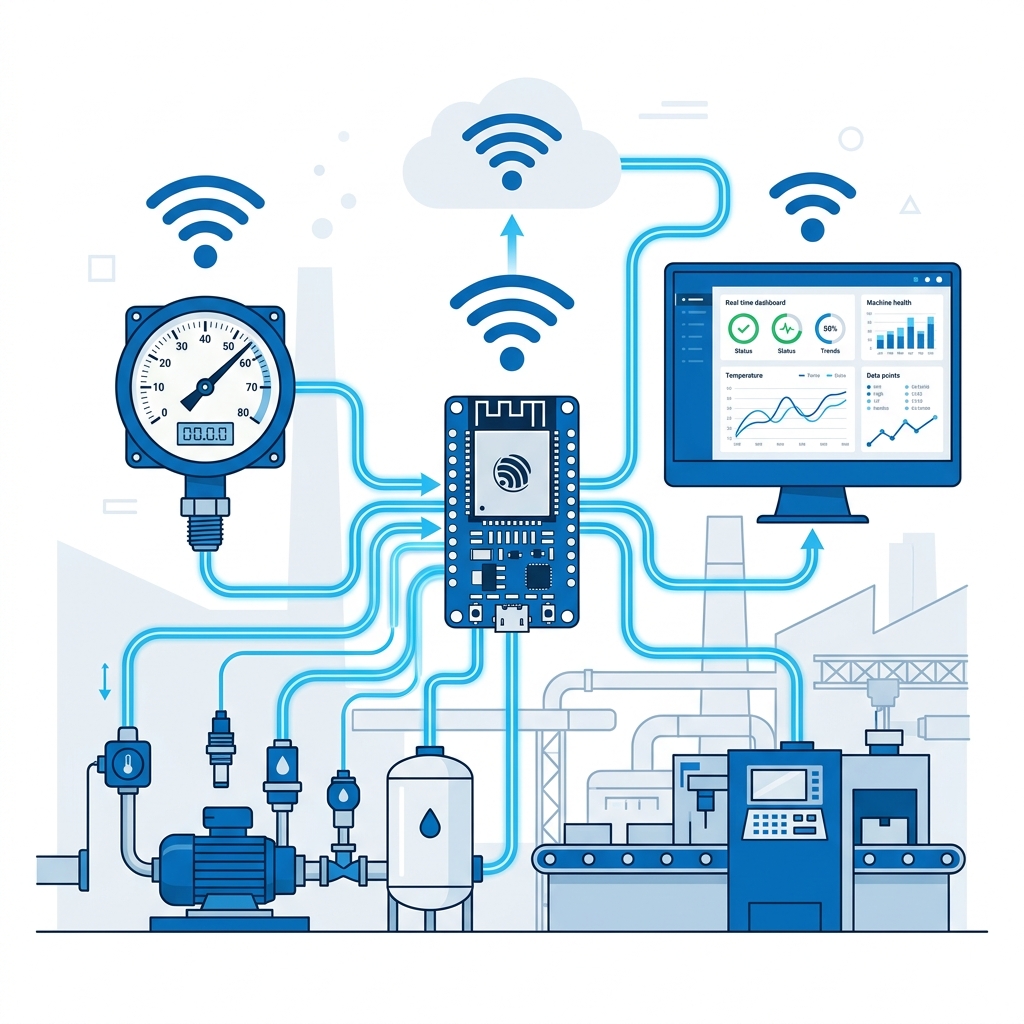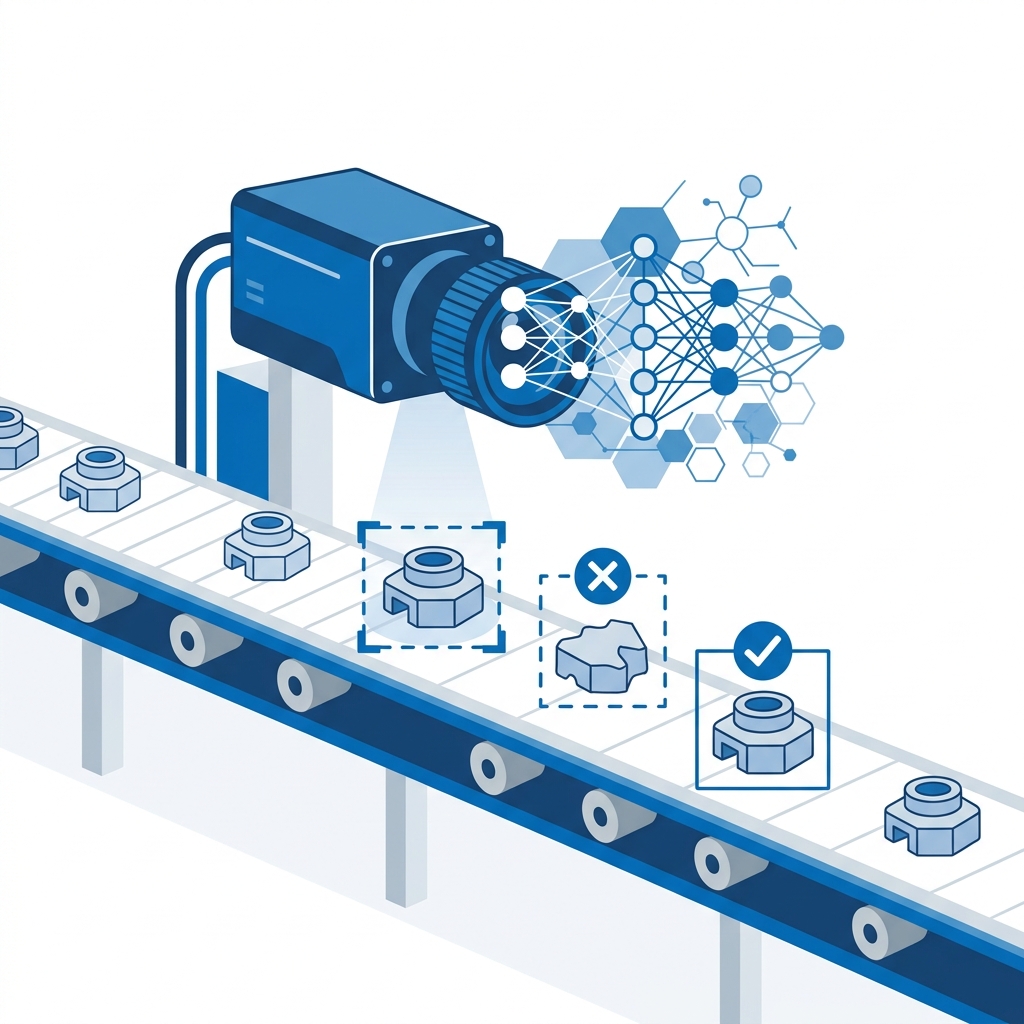
Where Factories Should Start with Automation to Control Cost and Risk
How to choose the first automation workflow by reviewing repetitive work, safety risk, expected ROI, and shop-floor readiness.
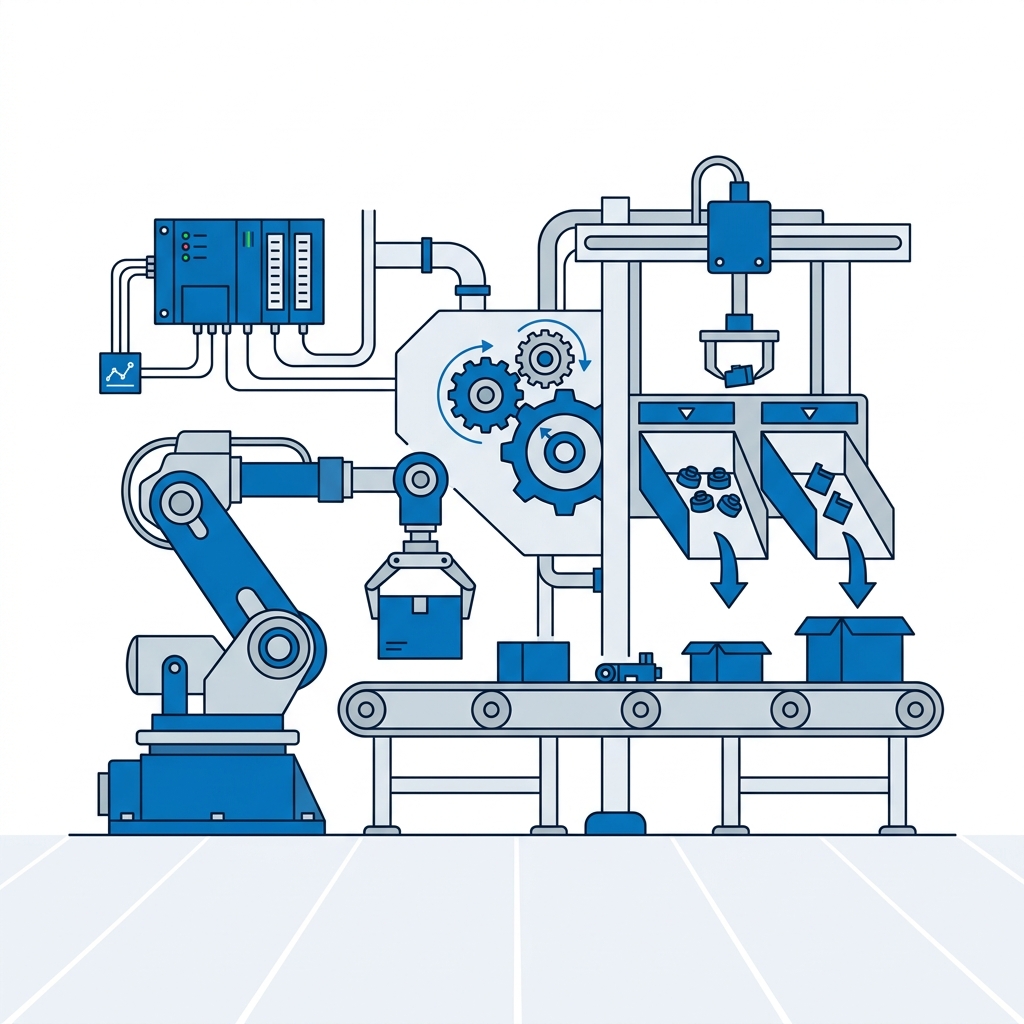
Automation does not need to begin with a large system. Many factories get better results by starting with a repetitive, risky, or bottleneck process, then scaling after the team has confidence and measurable results.
How to Choose the First Process
The first automation scope should have clear impact, measurable results, and limited disruption risk. Good candidates include counting, sorting, alerts, repetitive handling, or control steps that operators adjust manually many times per shift.
Metrics to Define Before Building
- Cycle time reduction
- Defect or rework reduction
- Downtime or waiting-time reduction
- Operator usability
- Long-term maintenance cost
Pilot Before Production
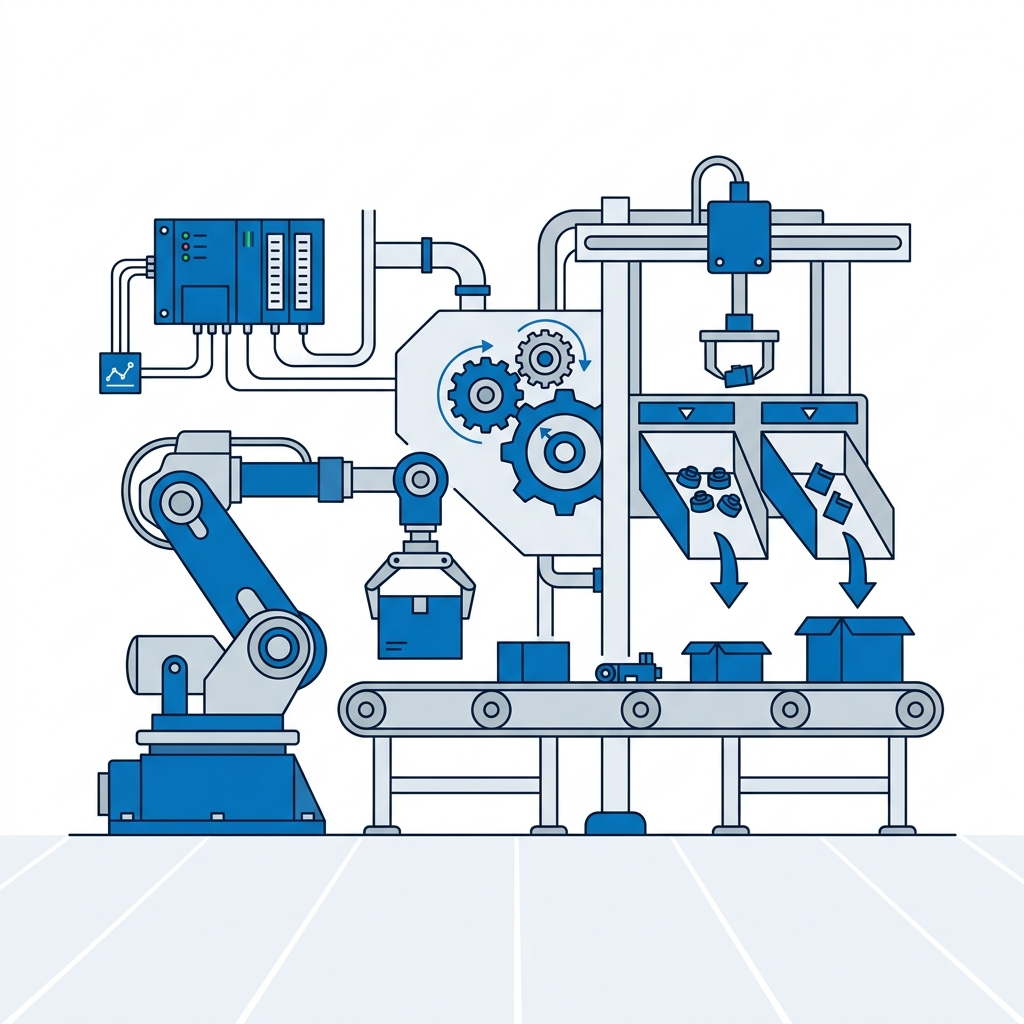
A pilot helps observe real machine behavior, site conditions, safety requirements, and operator workflow. The results make the final scope, budget, and timeline more accurate.
Safety Comes First
Automation involves machines and people, so emergency stop, limits, interlocks, manual override, and field testing must be planned before production use.
Summary
Start with a measurable and expandable workflow. That keeps automation as a controlled investment, not a large project that spends before proving value.
Want to build the right system for your business?
Our engineering team can assess the site, define a practical scope, and help select the right path before full development.