How to Start Factory IoT and See Real Results in 90 Days
A practical path for starting IoT from real shop-floor problems, choosing sensors, building dashboards, and measuring business value before scaling.
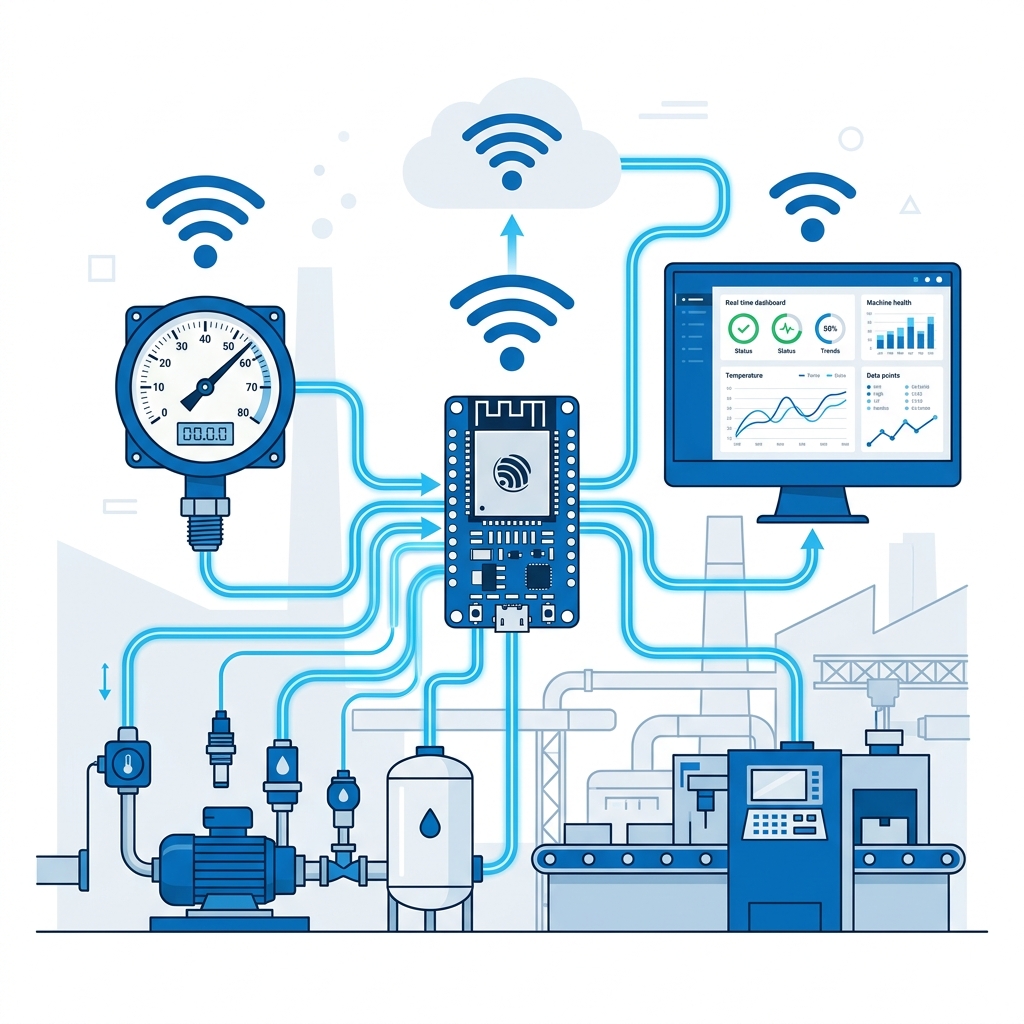
Many factories are interested in IoT because they want real-time visibility from the production floor. The projects that work best usually do not start by buying many devices at once. They start with one measurable problem, a small pilot, and a dashboard that the team can actually use.
What Factory Owners Should Know First
IoT is not only sensors and dashboards. It is a workflow that connects field data to decisions such as reducing downtime, removing manual records, monitoring energy loss, or warning the team before machine behavior becomes abnormal.
Start small, measure clearly, and scale only after the first workflow proves useful.
Site Assessment Steps
- Pick one or two problems that affect cost, time, or quality.
- Check whether the data comes from machines, sensors, or manual input.
- Define metrics such as downtime, energy, output, temperature, or reject rate.
- Select connectivity such as LAN, Wi-Fi, RS485, MQTT, or an industrial gateway.
- Design different dashboard levels for operators and management.
IoT Use Cases That Can Show Results Quickly
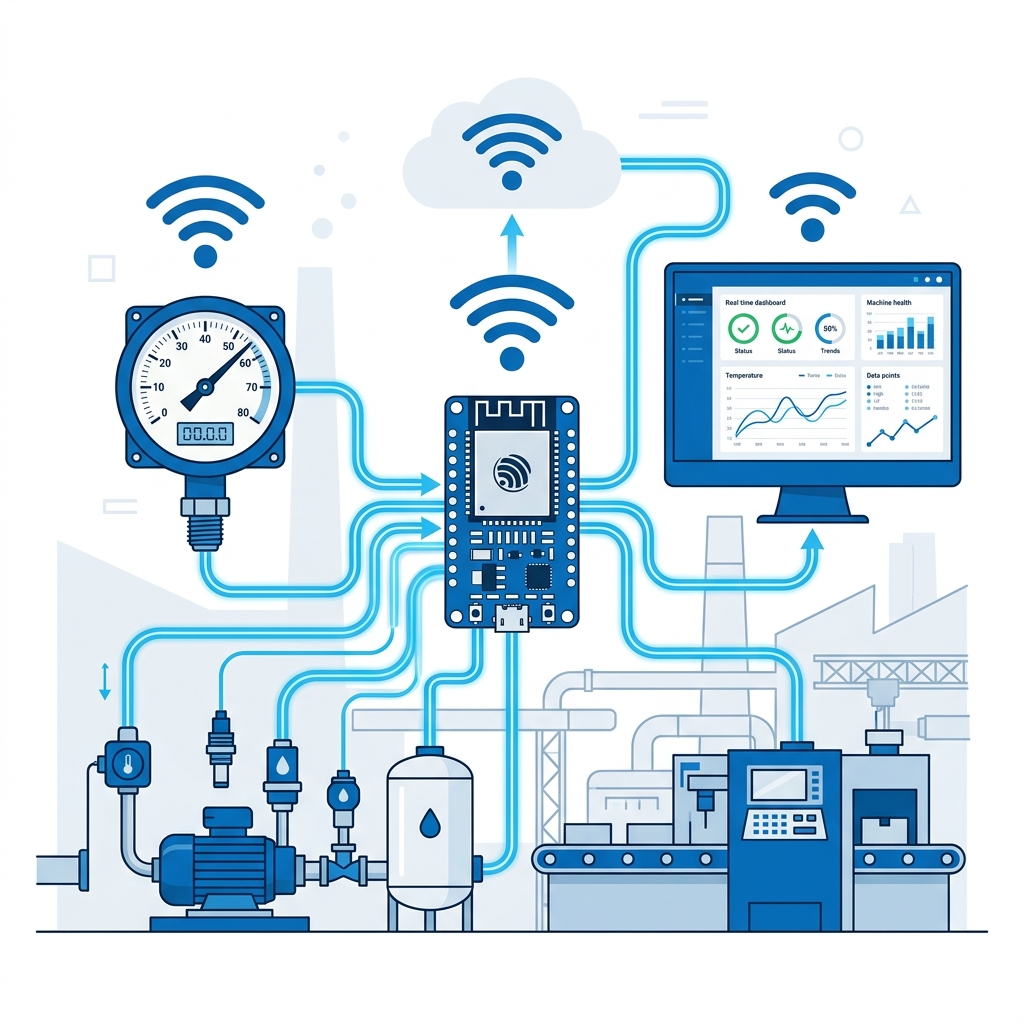
- Machine status and downtime monitoring
- Temperature, humidity, pressure, or current alerts
- Production count by shift
- Energy usage on critical lines
- Data capture for predictive maintenance
What to Avoid
Do not start with a beautiful dashboard that nobody uses. Operators need immediate status and alerts. Managers need trends and decision-ready numbers. Maintenance teams need enough detail to trace the cause.
Next Step
For a cost-controlled start, begin with a consult or pilot. An engineering team can review the site, select the right signals, design the data flow, and prepare the path for scaling.
Want to build the right system for your business?
Our engineering team can assess the site, define a practical scope, and help select the right path before full development.